

TL;DR
Do Google Local Guide reviews help my business rank better than regular reviews?
They help your reviews stay visible; the research does not show they move your map position by themselves. Sterling Sky's testing found Local Guide reviews stay in the top 10 of a Google Business Profile listing longer than reviews from standard accounts, and reviews from accounts with a profile picture stayed there twice as long in most cases. Asking customers to join Local Guides and add a profile photo before reviewing is a free, low-effort step that keeps your best reviews in view longer.
Your Google Business Profile shows reviews in a ranked order — and that order is not purely chronological. Google decides which reviews sit at the top of your listing, and it turns out the type of reviewer matters more than most people realize.
Research published by Sterling Sky tested exactly this question: do reviews left by Google Local Guides stay at the top of a listing longer than reviews from ordinary accounts? The answer is yes — and by a meaningful margin.
One caution before the details: the study measured which reviews stay visible on a listing, not where the business ranks on the map. Here’s what it means for a landscaper in Monterey Park, where we audited the six profiles competing for that exact search, and for any trade trying to get more out of every review it earns.
What “Local Guide” Actually Means
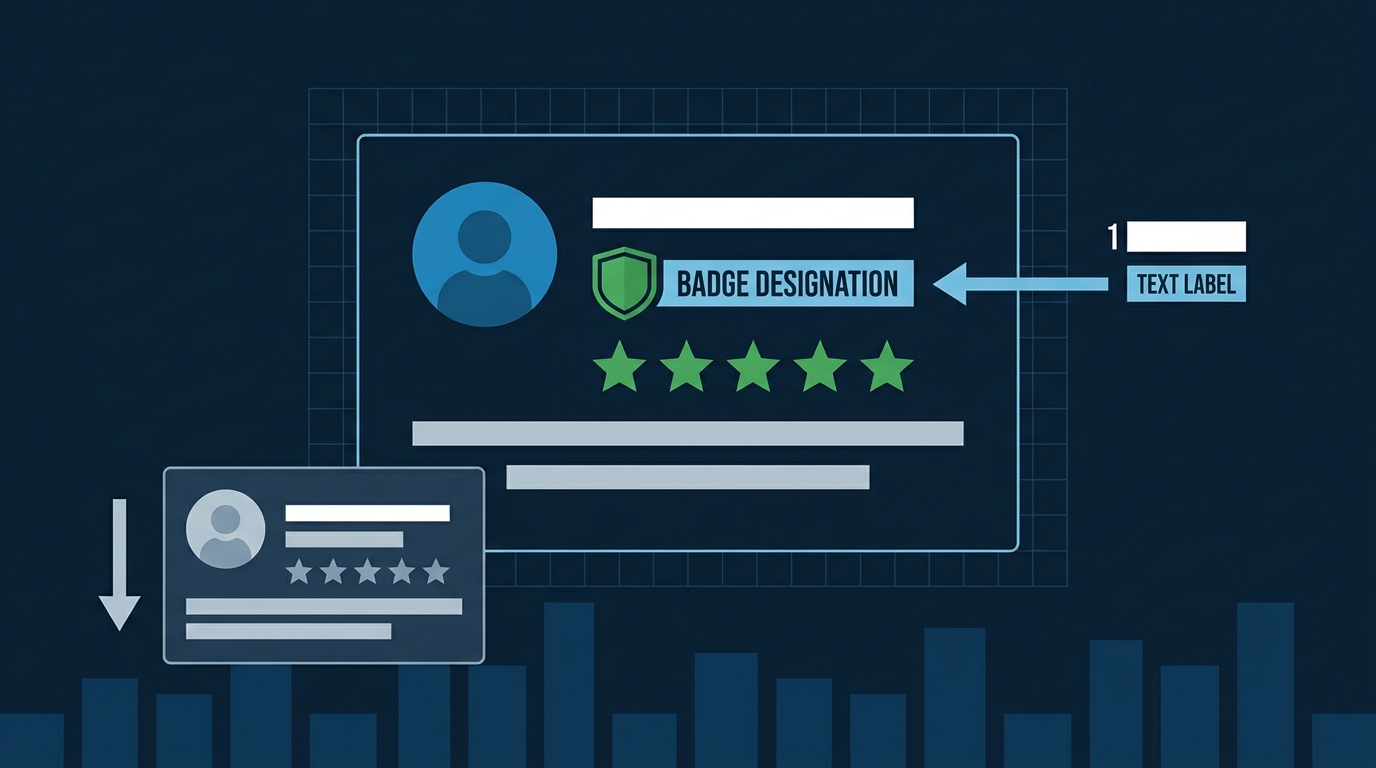
A Local Guide is anyone who has signed up for Google’s Local Guides program through their Google account. It’s free, takes about ten seconds to join, and earns the reviewer a small badge that appears under their name on every review they leave. That badge shows up on your GBP listing for all potential customers to see.
The badge does not mean the review is more credible or more trustworthy in any human sense. A Local Guide can still leave a fake review, a biased review, or a review that violates Google’s policies. What the badge does signal is that Google knows more about this account — it’s active, it contributes to Maps, it has a history.
And Google, apparently, trusts accounts it knows more about.
The Visibility Difference Is Real
Sterling Sky’s testing found that Local Guide reviews stayed in the top 10 reviews of a listing longer than reviews from non-Local Guides. The study shows this as a chart, without a single headline number.
A second finding was equally useful: reviews posted by accounts with a profile picture also stayed at the top significantly longer — in most cases, twice as long as reviews from accounts with no photo. A reasonable reading: the more Google can verify about an account, the more weight it gives that account’s contributions.
Two things that did not matter:
- How many other businesses the reviewer had reviewed
- How many photos the reviewer had uploaded to Maps overall
So you don’t need to target prolific reviewers or heavy Map contributors. You need reviewers who (a) are enrolled in Local Guides and (b) have a profile picture on their Google account. Both are free. Both take under a minute to set up.
What We Saw in Monterey Park
When we asked Google’s Maps-grounded AI for the best-rated landscaper in Monterey Park, we audited the six profiles competing for that search. Only one was surfaced by the AI.
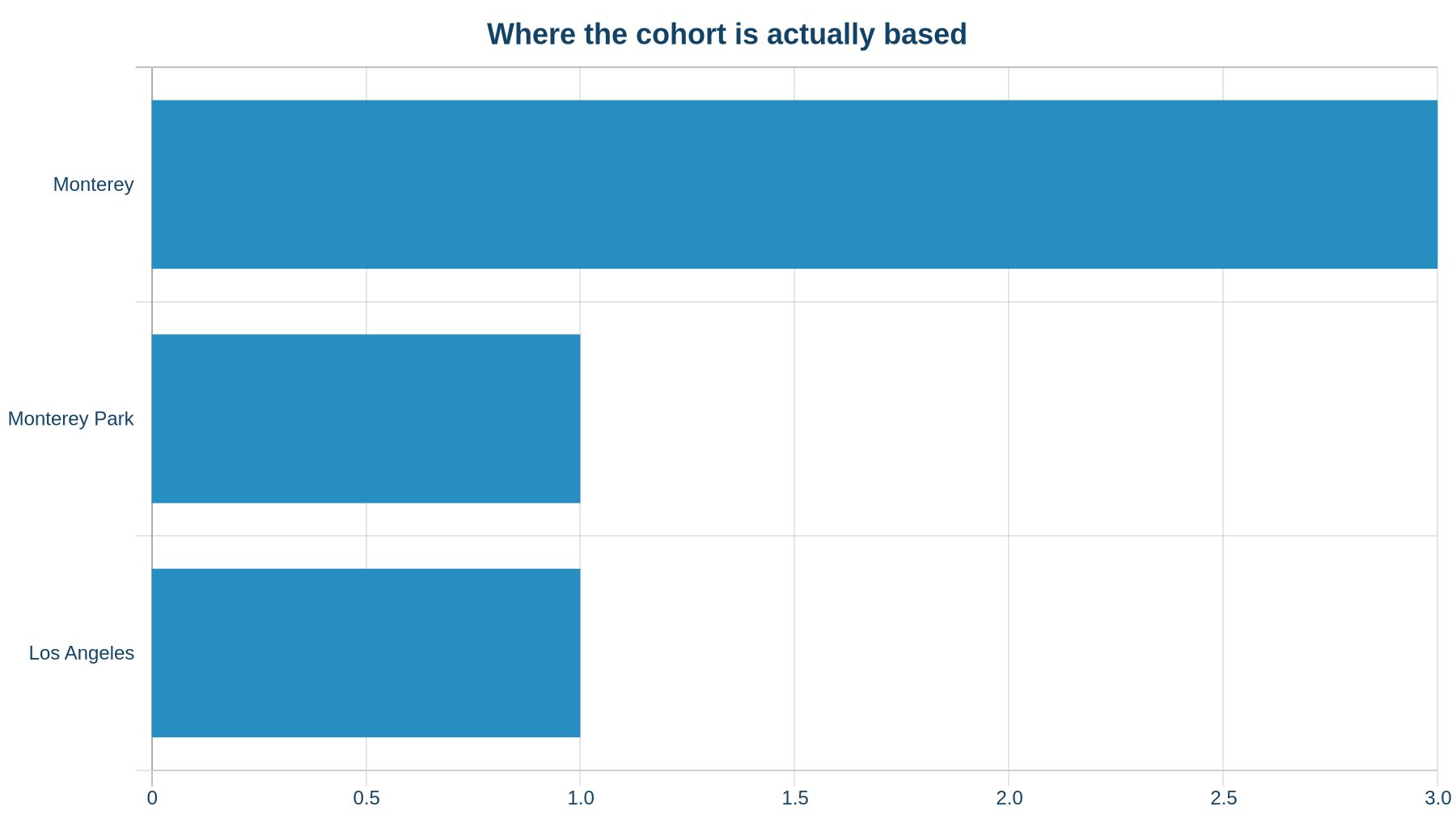
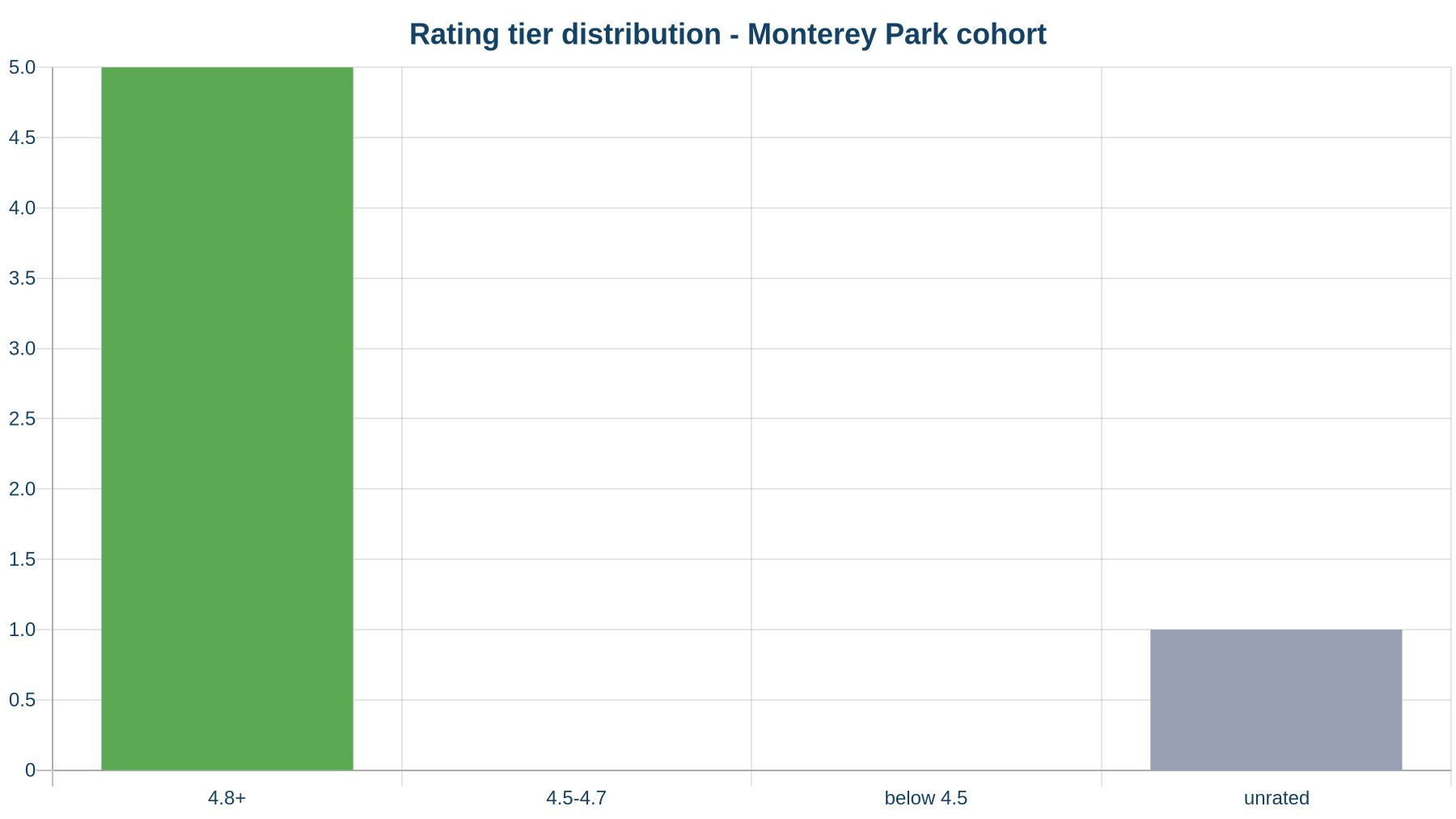
A few things stood out from the data:
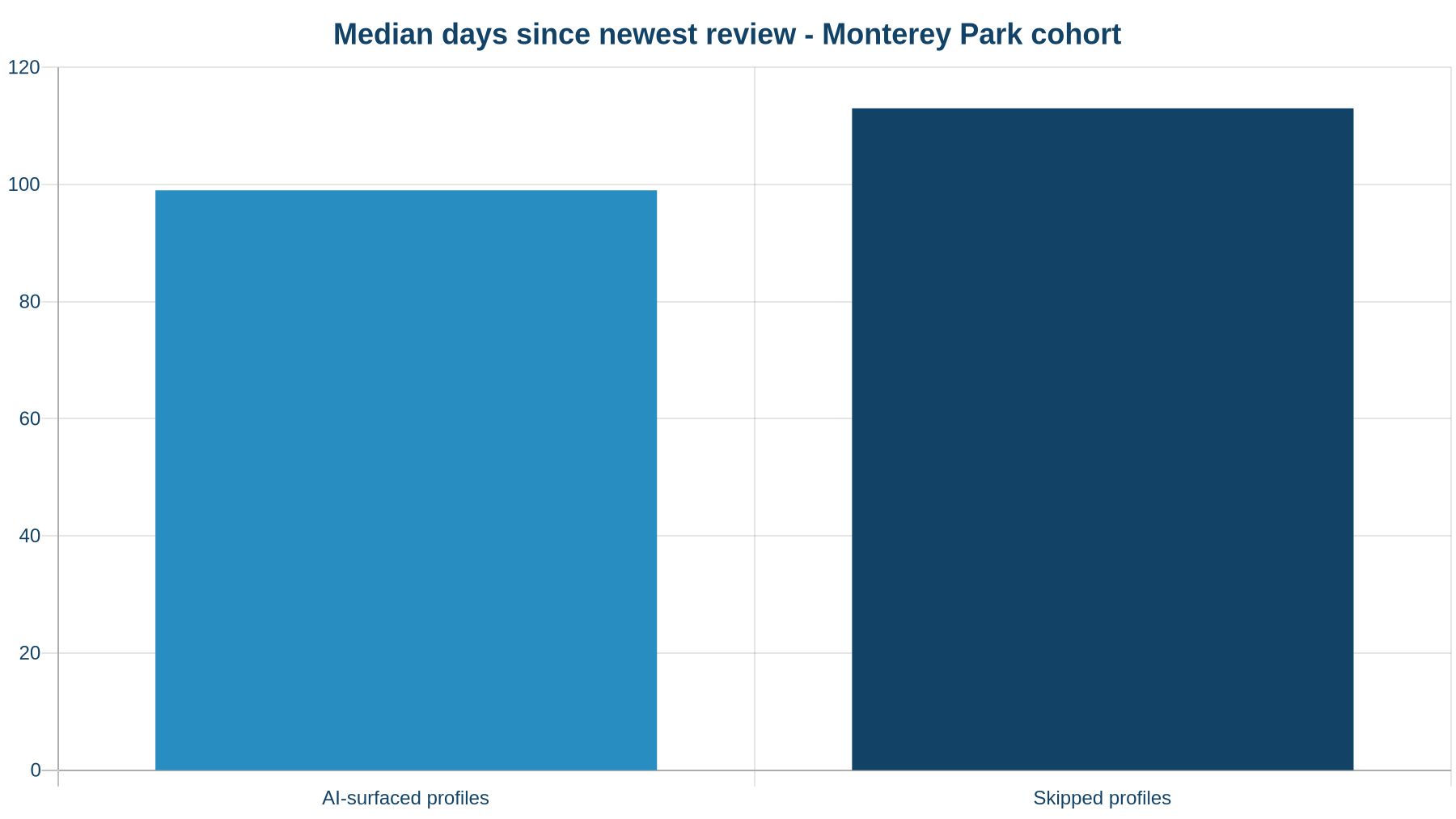
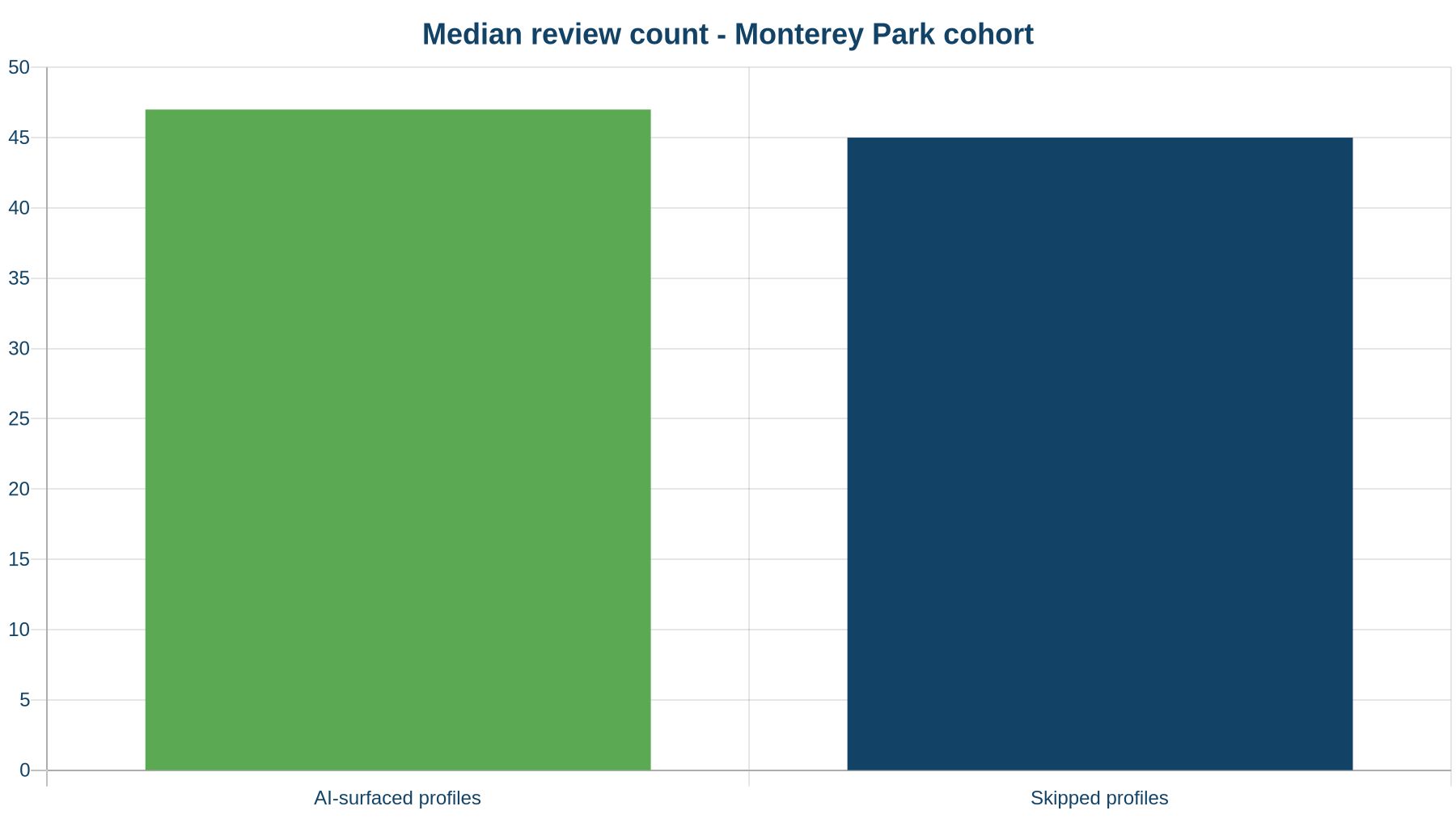
Profile A (the one surfaced) had 47 reviews, with the most recent posted just 99 days ago. Profile B (skipped despite having more total reviews at 64) had a newest review that was 147 days old. The AI-surfaced profile’s median newest-review age was 99 days; the skipped profiles sat at 113 days.
That gap, roughly two weeks of review freshness, is the clearest difference we measured between the profile Google’s AI surfaced and the five it skipped. Six profiles is a small cohort, so read it as a pattern, not proof.
The review count difference was almost nothing: 47 for the surfaced profile versus 45 as the median for skipped ones. Volume barely moved the needle. Recency did. Our audit can’t see which reviewers are Local Guides, so it doesn’t test the Sterling Sky finding directly. It shows the same thing from the other side: what gets put in front of a searcher is the fresh, visible review, not the size of the pile.
The cohort’s makeup is why freshness ends up deciding it. Of the six profiles competing for “landscaper in Monterey Park,” only one is listed in Monterey Park itself. Three carry a city of “Monterey” in the profile data and one is a Los Angeles business. Five of the six are rated 4.8 or above; the sixth has no rating at all, and it was skipped. So a Monterey Park crew can’t count on being the local one, and it can’t win on rating when nearly everyone it competes with is already at 4.8. What’s left to separate the profiles is how recent their reviews are and which reviews a searcher sees first.
The One-Step Ask That Most Businesses Skip
Here’s where this gets practical. Most contractors and landscapers ask for a review with a text message or an email that says something like: “We’d love a Google review — here’s the link.”
That gets you reviews. But it doesn’t get you the best version of those reviews.
A slightly different ask: “Before you leave us a review, it takes about 30 seconds to join Google’s Local Guides program — here’s how. It helps your review stay visible longer.”
That one extra step — joining Local Guides — can extend how long that review sits at the top of your listing. You’re not gaming anything. You’re helping your customer leave a review that Google treats as coming from a known, verified account.
Same goes for profile pictures. If you’re sending a review request via text, you can add: “If you don’t have a profile photo on your Google account, adding one helps your review show up more prominently.” Most people have a photo on their phone they can use in 20 seconds.
Why This Matters More Than Your Total Count
The Monterey Park audit points the same way: the business Google’s AI surfaced didn’t have the most reviews. It had fresher ones.
This flips the usual advice. Most businesses focus on volume — “get more reviews, get more reviews.” Volume matters, but it’s a blunt instrument. Picture a landscaper in Rosemead with 80 reviews, half of them from accounts with no profile picture and no Local Guides badge, and the newest one five months old. The top of that listing can look staler than a competitor’s in El Monte with 50 reviews that keep arriving from established accounts.
The Sterling Sky research also found no correlation between a reviewer’s total review count and how long their review stayed visible. Chasing “super reviewers” is a waste of effort. Chasing verified, active accounts with profile pictures is not.
What to Do Monday Morning
You don’t need a new system. You need a better script in your existing one.
If you’re already sending review requests after each job — good. Add two lines:
- A link to join Local Guides: g.co/localguides
- A note that adding a profile photo to their Google account helps their review get seen
If you’re not yet automating review requests, that’s the bigger fix. Our reputation and review management service sends the ask automatically after each job closes, so no one falls through the cracks. You can also run your profile through our free Map Pack Grader to see how your review count, rating, and recency stack up against the businesses currently beating you in your city’s map pack.
The phone rings when your profile earns trust faster than the shop two cities over. Local Guide reviews are one lever that most of your competitors haven’t pulled yet.